
Exploring the psychological triggers that influence gambling behavior
The Role of Emotional Triggers in Gambling
Emotions significantly influence gambling behavior, often acting as powerful motivators for individuals to engage in gaming activities. For example, feelings of excitement and anticipation can lead players to participate in gambling, viewing it as a thrilling escape from their daily routines. Conversely, negative emotions such as stress or sadness may drive individuals to gamble as a form of distraction or coping mechanism. The interplay between these emotional triggers creates a complex landscape where gambling can be both a source of joy and a potential pathway to addiction, making it vital to understand platforms like mrwildz.casino.

Research indicates that the euphoric rush experienced during winning can lead to a cycle of repeat behavior. This phenomenon, known as the “gambler’s fallacy,” may cause players to believe that they can replicate their successes, despite the inherent randomness of the games. Emotions create a feedback loop, where the joy of winning fuels further gambling, while losses may compel individuals to chase their losses, perpetuating a cycle that is difficult to escape. Understanding these emotional triggers is critical for promoting responsible gambling practices.
Moreover, the gambling environment itself can evoke strong emotional responses. The design of casinos and online platforms, with their bright lights, engaging sounds, and immersive themes, are all tailored to amplify emotional excitement. These stimuli can heighten feelings of euphoria, making it easy for individuals to lose track of time and money. Recognizing the emotional influences at play can help both players and regulators better address the psychological aspects of gambling, fostering a culture of responsible gaming.
Cognitive Biases and Gambling Behavior
Cognitive biases, or systematic patterns of deviation from norm or rationality in judgment, significantly impact gambling behavior. One prevalent bias is the illusion of control, where gamblers believe they can influence outcomes in games of chance. For instance, players might feel that their skill in a game like poker can guarantee victories, even when luck is a major factor. This false sense of control can lead to excessive gambling, as individuals mistakenly believe they can manage risks through strategy or intuition.
Another significant cognitive bias is confirmation bias, where individuals favor information that confirms their pre-existing beliefs. Gamblers may remember their wins more vividly than their losses, reinforcing the belief that they are successful at gambling. This selective memory can distort their perspective, leading to an overestimation of their chances of winning. Acknowledging cognitive biases is essential for understanding gambling behavior and developing strategies for responsible gaming.
Additionally, the concept of sunk cost fallacy often appears in gambling scenarios. This bias compels individuals to continue gambling to recover previous losses, even when the rational choice would be to stop. The emotional investment made in a game can cloud judgment and prolong undesirable gambling behaviors. Recognizing and mitigating these cognitive biases can empower players to make more informed decisions and cultivate healthier gaming habits.
The Social Influences on Gambling Behavior
Social dynamics play a critical role in shaping gambling behavior. Peer influence can significantly impact individuals, particularly in environments where gambling is normalized or celebrated. For example, friends or family members who gamble may encourage others to join in, creating a social norm that values gambling as a recreational activity. This social pressure can contribute to increased gambling participation and can sometimes lead to excessive behaviors.
The advent of online gambling has further amplified social influences. Many platforms now offer social features such as chat rooms and interactive tournaments, creating a community environment where players feel a sense of belonging. While these social interactions can enhance the gaming experience, they can also expose individuals to unhealthy gambling behaviors. The competitive nature of these platforms may incite players to gamble more than they initially intended, driven by a desire to fit in or impress peers.
Moreover, cultural factors can also influence gambling behaviors, as different societies have varying attitudes toward gambling. In some cultures, gambling is seen as a leisure activity, while in others, it may carry a stigma. These cultural perceptions can shape individual attitudes and behaviors toward gambling, highlighting the importance of context in understanding gambling psychology. Recognizing these social and cultural factors can inform strategies to promote responsible gambling practices across diverse populations.
The Impact of Marketing and Advertising on Gambling Behavior
Marketing and advertising strategies have a profound impact on gambling behavior, utilizing psychological principles to attract and retain players. Promotional tactics often emphasize the thrill of winning, creating a sense of urgency and excitement that can be irresistible to potential gamblers. Advertisements frequently showcase glamorous lifestyles associated with gambling success, which can entice individuals to participate, believing they too could achieve similar rewards.
The use of bonuses and promotions is another effective marketing strategy that appeals to psychological triggers. For instance, offering free spins or welcome bonuses creates a sense of immediate gratification and encourages new players to start gambling. This approach can lead to a higher likelihood of engaging in prolonged gambling sessions as individuals chase the allure of further rewards. Understanding how marketing shapes perceptions and behaviors is essential for fostering responsible gambling practices and minimizing the risk of addiction.
Furthermore, the rise of online gambling platforms has intensified competition, prompting operators to adopt increasingly sophisticated marketing techniques. The use of personalized advertisements based on player behavior can heighten engagement but may also contribute to compulsive gambling behaviors. Players may find it difficult to resist these targeted promotions, even when they exceed their limits. Heightened awareness of the influence of marketing and advertising is crucial in promoting safer gambling environments.
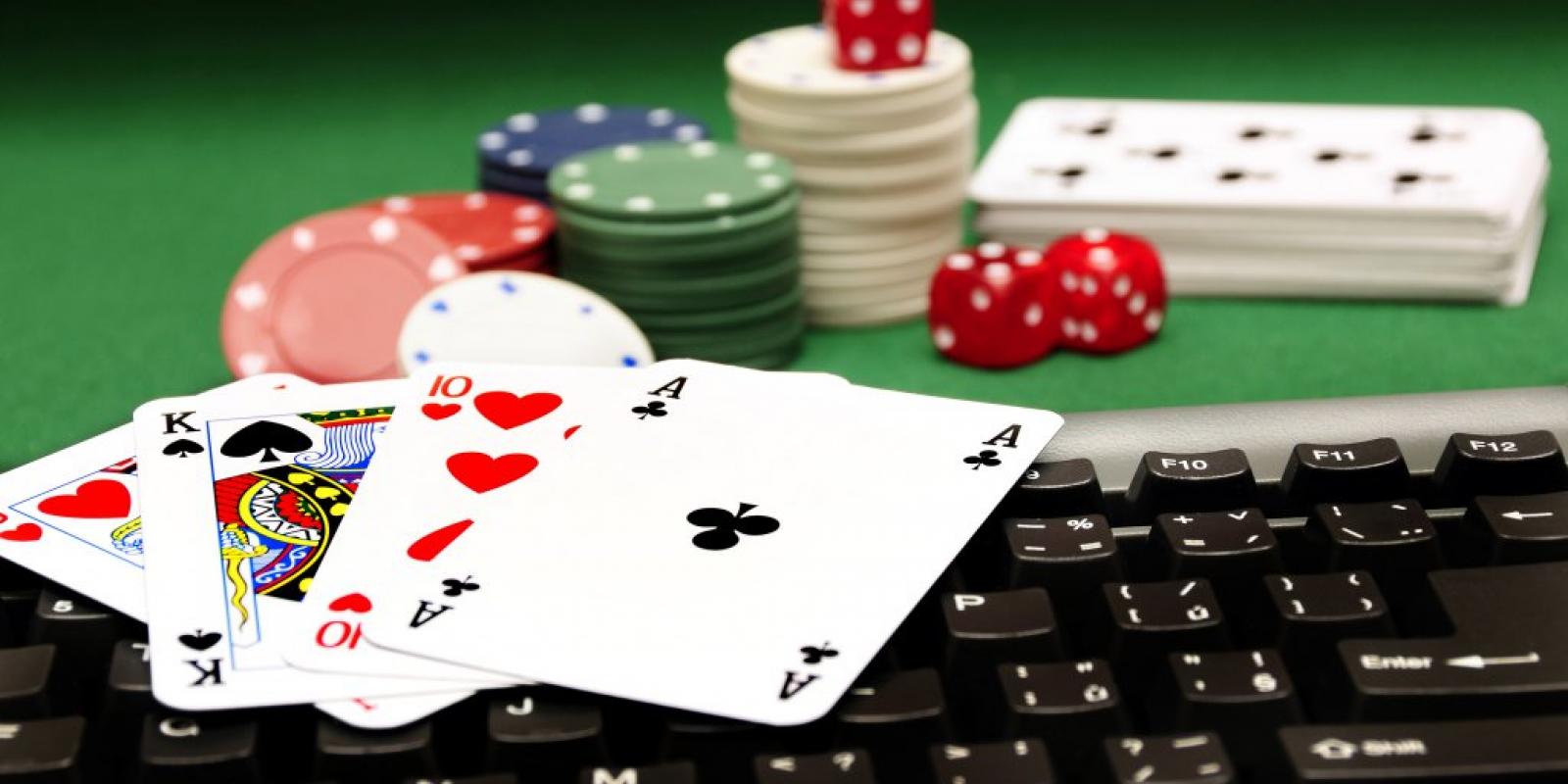
Exploring MrWildz Casino: A Commitment to Responsible Gambling
MrWildz Casino stands out as a platform that prioritizes responsible gambling, emphasizing player safety and well-being. With a wide array of over 4,000 slot games, the casino aims to create a thrilling yet secure gaming environment. The site operates under a licensed framework, ensuring that all gameplay is fair and transparent, fostering trust among players. This commitment to security allows users to enjoy their gaming experience without undue worry about the risks associated with gambling.
To further promote responsible gaming, MrWildz Casino offers various resources aimed at educating players about the psychological triggers and risks of gambling. These resources include self-assessment tools and information on setting limits for deposits and playtime. By empowering players with knowledge, MrWildz encourages informed decision-making and helps mitigate the risks of compulsive behavior.
In conclusion, the psychological triggers influencing gambling behavior are multifaceted, encompassing emotional, cognitive, social, and marketing dimensions. MrWildz Casino is dedicated to fostering a responsible gambling culture, combining entertainment with safety and support. Players are encouraged to explore the vibrant world of gaming while remaining mindful of their gaming habits and the potential triggers at play.